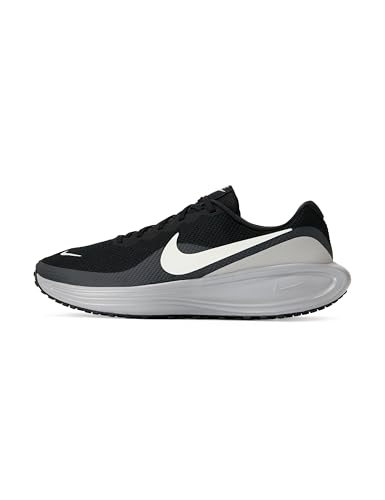
Finding the right pair of boys' road running shoes requires balancing durability with proper athletic support. Since children's feet grow rapidly and their activity levels are high, a shoe must offer breathable materials and responsive cushioning without being overly cumbersome. This selection focuses on versatile road runners that handle school sports, neighborhood play, and structured training, prioritizing brands known for reliable sizing and long-term wear.
Updated This Week
10
products
40-48€
Price Range
Interactive Comparison
As an Amazon Associate we earn from qualifying purchases.
This list provides a strong mix of industry leaders. For pure performance, Nike and ASICS lead the way, while Adidas and New Balance offer excellent value for daily wear.
Market Overview: boys' road running shoes
AI
The youth athletic market is shifting toward lightweight, breathable materials and versatile designs that transition easily from the gym to the classroom.
Buying Guide: boys' road running shoes
AI
When shopping for youth running shoes, prioritize a secure heel lock, breathable mesh uppers, and a flexible midsole that supports the natural movement of a developing foot.
Selection Criteria
Products were selected based on verified user ratings, long-term durability reviews, and the balance between price and technical performance.
Budget Advice
AI
Prices vary by brand and technology. Entry-level options are affordable for casual use, while mid-range and premium models offer enhanced cushioning and durability.
Conclusion: boys' road running shoes
AI
Choosing the right footwear can make a significant difference in a child's comfort and athletic performance. Explore our full list to find the perfect pair that fits your budget and your child's specific needs.
Frequently Asked Questions
AI
Running shoes should typically be replaced every 3 to 6 months for active children, as growth spurts and heavy wear on the outsole can compromise support and alignment.
While a small amount of wiggle room is necessary, buying shoes too large can cause blisters and instability. Aim for about a thumb's width of space between the toes and the front of the shoe.
Road shoes are designed for paved surfaces with smoother soles and lighter cushioning, whereas trail shoes feature aggressive lugs for grip on dirt and reinforced uppers for protection.
We use Google Analytics to measure site usage. In the EEA, UK and Switzerland, analytics cookies require your consent; without consent, only cookieless signals are sent. Elsewhere, measurement is enabled by default and you can decline. Declining does not limit access to the site.
Learn more