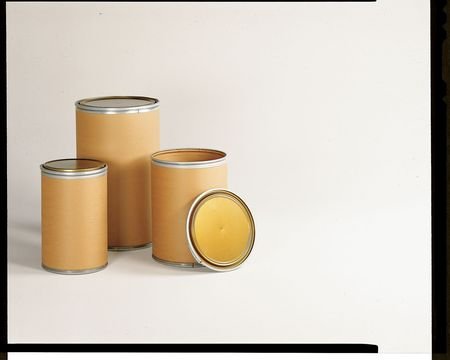
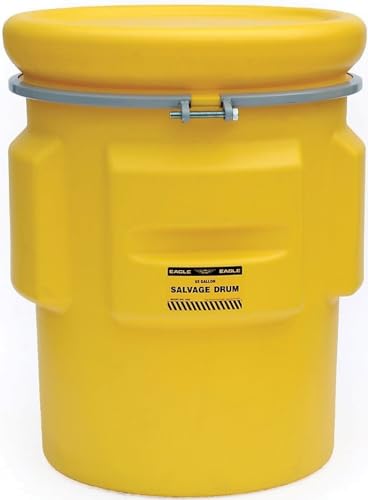
Managing hazardous materials requires containment systems that prioritize structural integrity and chemical compatibility. Selecting the right drum involves balancing capacity, material durability—such as HDPE or carbon steel—and the specific nature of the waste being stored. This selection focuses on industrial-grade salvage drums, overpack systems, and essential accessories designed to mitigate leak risks and ensure workplace safety during transport and storage.
Updated This Week
10
products
Interactive Comparison
As an Amazon Associate we earn from qualifying purchases.
Designed for Regulatory Compliance - A plastic drum can help you meet regulations for the storage, transportation, and disposal of hazardous materials by selecting the lid based on the requirements for the material being handled
Durable Construction - Made of blow-molded high-density polyethylene, this plastic barrel is durable, lightweight, and stands up to chemicals and weather, making it a great option for various storage needs

Designed for Regulatory Compliance - A plastic drum can help you meet regulations for the storage, transportation, and disposal of hazardous materials by selecting the lid based on the requirements for the material being handled
Durable Construction - Made of blow-molded high-density polyethylene, this plastic barrel is durable, lightweight, and stands up to chemicals and weather, making it a great option for various storage needs
Price For: Each Includes: Lid Material: Fiber Head Type: Open Head Item: Transport Drum Packing Group: II and III of Hazardous Materials Volume Capacity: 15 gal. UN Rating Solid: 1G/Y120/S Closure Type: Leverlock Ring Overall Height: 18-1/2" Outside Dia.: 15-1/2" Country of Origin (subject to change): United States
For most industrial needs, HDPE salvage drums offer the best balance of chemical resistance and longevity. Our list highlights the most reliable options for secure containment.
Market Overview: drums for hazardous materials
AI
The market is shifting toward high-density polymers for better corrosion resistance, though carbon steel remains the standard for high-impact industrial environments.
Buying Guide: drums for hazardous materials
AI
When selecting hazmat drums, prioritize material compatibility with your chemicals, the required volume for overpacking, and the ease of sealing via bolt rings or bungs.
Selection Criteria
Products were selected based on material certifications, user durability ratings, versatility in industrial settings, and overall value for the price.
Budget Advice
AI
Prices vary widely: entry-level small transport drums are affordable, mid-range options include standard salvage drums, and premium overpacks with specialized lids cost more.
Conclusion: drums for hazardous materials
AI
Choosing a containment system is a critical safety decision. Whether you need a high-capacity salvage drum or a specialized spill kit, the right equipment prevents costly accidents. Explore our full list to find the best fit for your facility.
Frequently Asked Questions
AI
HDPE (High-Density Polyethylene) is generally preferred for corrosive chemicals due to its chemical resistance, while steel drums offer superior strength and are often used for flammable materials or heavy-duty industrial salvage.
An overpack drum is a larger container designed to hold a smaller, leaking, or damaged drum inside it, effectively sealing the hazard and allowing for safe transport to a disposal site.
Open-head drums are easier to fill and empty, making them ideal for solids or viscous liquids. Closed-head drums are better for thin liquids as they minimize vapor escape and leakage during movement.
We use Google Analytics to measure site usage. In the EEA, UK and Switzerland, analytics cookies require your consent; without consent, only cookieless signals are sent. Elsewhere, measurement is enabled by default and you can decline. Declining does not limit access to the site.
Learn more