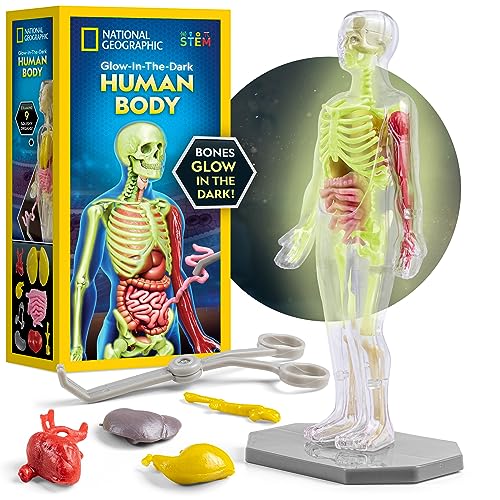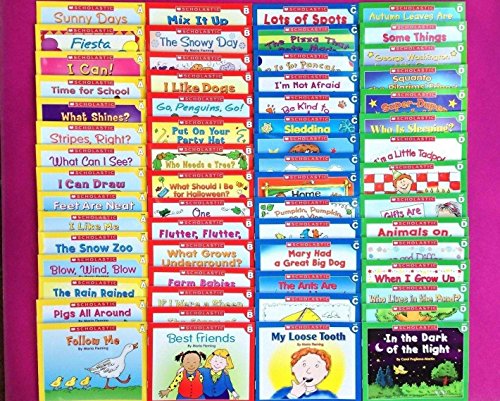
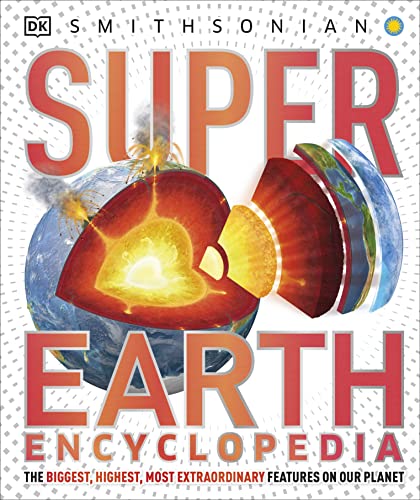
Finding a reliable encyclopedia for children requires balancing factual accuracy with engaging presentation. Today's market ranges from traditional comprehensive volumes to specialized fact books and visual guides. We have analyzed various options to identify titles that spark curiosity while remaining accessible to young readers, prioritizing clear organization, high-quality illustrations, and educational value over mere page count.
Updated This Week
9
products
Interactive Comparison
As an Amazon Associate we earn from qualifying purchases.
The experts have adopted whole new style of presenting the content which is easily understandable, leaving behind the old traditional methods which once used to be the most effective.
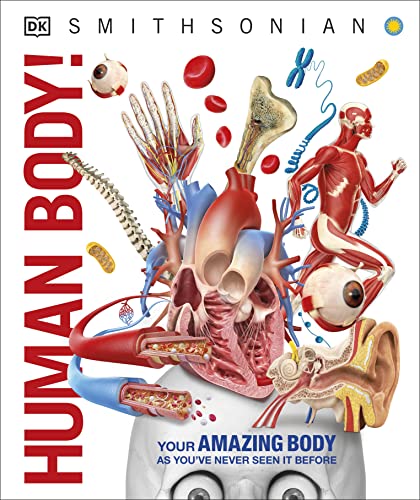
The best children's encyclopedias are those that transform learning into a discovery process. Our selection highlights the most effective tools for fostering lifelong curiosity.
Market Overview: encyclopaedias for children
AI
The market is shifting toward 'visual encyclopedias' that use infographics and photography to explain complex concepts, moving away from text-heavy traditional volumes.
Buying Guide: encyclopaedias for children
AI
When selecting a reference book, consider the child's current reading level, their specific interests, and whether the layout encourages independent exploration or guided reading.
Selection Criteria
Products were selected based on editorial review of content accuracy, visual appeal, user ratings, and overall value for the price point.
Budget Advice
AI
Entry-level fact books are very affordable, while mid-range comprehensive visual guides offer the best value. Premium multi-volume sets are available for those seeking exhaustive detail.
Conclusion: encyclopaedias for children
AI
Whether you are looking for a comprehensive general reference or a niche guide to the natural world, there is a perfect fit for every child's curiosity. Explore our full list to find the best educational companion for your home library.
Frequently Asked Questions
AI
General encyclopedias provide a broad foundation across many subjects, making them ideal for curious beginners. Specialized books are better for children with a specific passion, such as animals or space, allowing for deeper exploration.
Yes. Physical books reduce screen time and offer a curated, linear learning experience that helps children focus. They are often more tactile and visually stimulating for younger readers than a search engine.
Look at the balance of text to imagery. For younger children, prioritize visual encyclopedias with short captions. For older children, look for more detailed paragraphs and comprehensive indices.
We use Google Analytics to measure site usage. In the EEA, UK and Switzerland, analytics cookies require your consent; without consent, only cookieless signals are sent. Elsewhere, measurement is enabled by default and you can decline. Declining does not limit access to the site.
Learn more