Selecting the right industrial drive belt is a matter of balancing torque requirements, tension stability, and material durability. Whether you are maintaining a wood lathe or repairing agricultural machinery, the difference between a standard V-belt and a cogged timing belt can dictate the efficiency of your entire power transmission system. This selection focuses on versatility, fitment accuracy, and the ability to withstand high-friction environments.
Updated This Week
10
products
Interactive Comparison
As an Amazon Associate we earn from qualifying purchases.
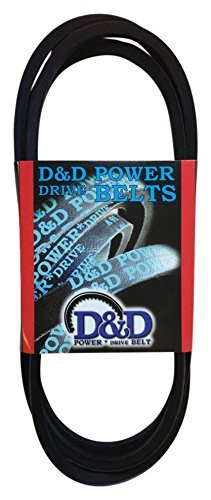
【Parameter】Inside Girth: 2.16ft / 660mm; Width: 0.39 inch / 10mm; Thickness: 0.24 inch / 6mm; Material: Rubber; Model: M-26.
【Material】The body rubber compound is a highly engineered synthetic rubber compound. Resistant, specially engineered, twisted, heat and set rubber material.
Size: Model: M-22; Pitch Girth: 22 inch/560mm; Outer Girth: 580mm; Top Width: 10mm; Thickness: 5.5mm; Angle: 40 degree. Produced according to the Japanese standard JIS K 6323.
Material: It is made of neoprene rubber for resistance to oils, water, and some solvents.
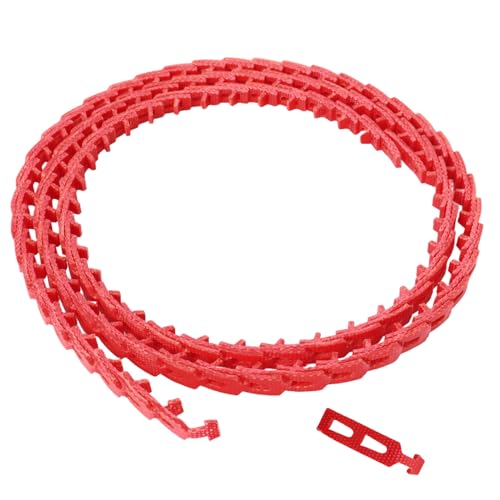
⇝ Power Twist V Belt 3/8-Inch Width, 4 Feet Length, Z Type Industrial Transmission V Belt, Rubber Adjustable Link V-Belts, 3L Profile
⇝ Drive V Belt Perfect for lathes, drill press, table saws, bandsaws and other woodworking machinery, Commercial Marine, Bowling Centers, HVAC, Greenhouses, Poultry House Ventilation, Roller Drive Conveyors
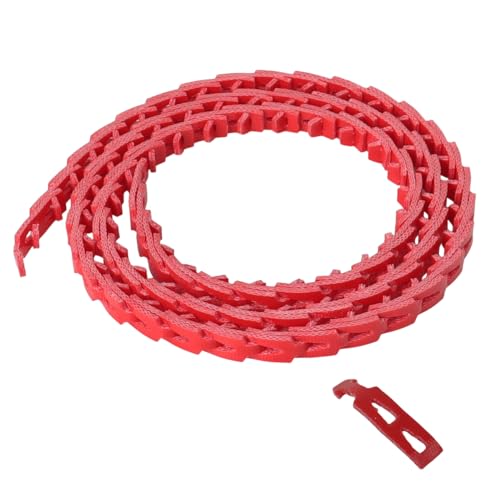
Power Twist Belt 0.5 inches x 5-feet, Adjustable length,Industrial Transmission Belt
Perfect for lathes, drill press, table saws, bandsaws and other woodworking machinery,Agricultural Equipment, snow blower,warehouse and packaging system
This list provides a strong mix of precision timing belts and heavy-duty V-belts, offering reliable options for both light-duty workshop tools and industrial machinery.
Market Overview: industrial drive belts
AI
The market is shifting toward high-durability synthetic rubbers and adjustable link designs that simplify the replacement process for DIY and industrial users.
Buying Guide: industrial drive belts
AI
When shopping for drive belts, prioritize the cross-section compatibility and the material's resistance to heat and oil to ensure long-term reliability.
Selection Criteria
Products were selected based on dimensional accuracy, user feedback regarding fitment, and the balance between material cost and operational lifespan.
Budget Advice
AI
Prices vary widely; entry-level rubber belts are very affordable, while specialized adjustable link belts fall into a mid-to-premium price range.
Conclusion: industrial drive belts
AI
Finding the exact match for your machinery prevents premature wear and costly downtime. Review our full list of recommended industrial drive belts to find the specific size and type that fits your equipment.
Frequently Asked Questions
AI
V-belts rely on friction and tension to transfer power, making them ideal for applications where some slip is acceptable to prevent motor overload. Timing belts use teeth (cogs) to lock into pulleys, ensuring a precise, synchronous drive ratio without slippage.
Check your equipment manual or measure the existing belt. For V-belts, you need the cross-section (e.g., A, M, or Z section) and the inner or outer circumference. For timing belts, you need the pitch, the number of teeth, and the belt width.
Adjustable link belts (like PowerTwist) are highly convenient because they don't require the removal of pulleys or guards for installation. While they may have slightly different vibration profiles than solid belts, they save significant time during maintenance.
We use Google Analytics to measure site usage. In the EEA, UK and Switzerland, analytics cookies require your consent; without consent, only cookieless signals are sent. Elsewhere, measurement is enabled by default and you can decline. Declining does not limit access to the site.
Learn more