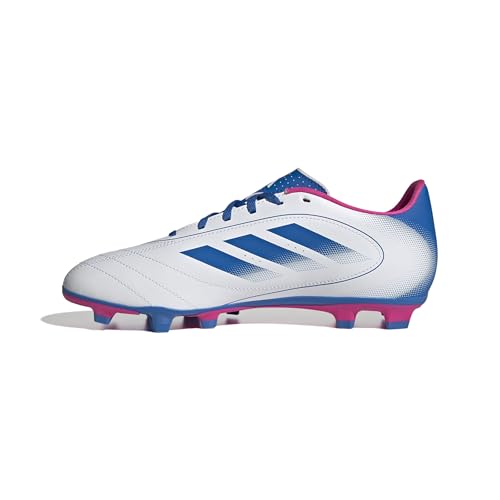
Selecting the right men's baseball shoes is a balance between explosive traction and long-term foot health. Whether you are navigating a dirt infield or sprinting on synthetic turf, the wrong sole can lead to instability or premature wear. Our selection focuses on the intersection of cushioning technology, durability, and specialized traction patterns to help players maintain peak performance throughout a grueling season.
Updated This Week
10
products
Interactive Comparison
As an Amazon Associate we earn from qualifying purchases.
For those seeking a blend of comfort and performance, the New Balance Fresh Foam series stands out, while Under Armour offers highly competitive entry-to-mid-level value.
Market Overview: men's baseball shoes
AI
The market is currently shifting toward hybrid designs that blend the stability of a trainer with the grip of a cleat, alongside a heavy emphasis on lightweight foam midsoles.
Buying Guide: men's baseball shoes
AI
When shopping for baseball footwear, prioritize the sole type based on your primary playing surface and consider the cushioning level to reduce impact on your joints.
Selection Criteria
Products were selected based on verified user durability ratings, the quality of the traction materials, and the overall value relative to the brand's technology.
Budget Advice
AI
Entry-level molded cleats are the most affordable, while mid-range options offer better cushioning. Premium models typically feature advanced foam technology and specialized materials.
Conclusion: men's baseball shoes
AI
Finding the perfect fit is the only way to ensure you aren't fighting your footwear during a game. Compare the options in our full list to find the pair that matches your position and playing surface.
Frequently Asked Questions
AI
Metal cleats provide superior grip for power and speed on natural grass, while molded cleats are generally more versatile and are often required for youth leagues or specific synthetic surfaces.
Turf trainers feature a flat, multi-studded sole designed for synthetic grass and batting cages, offering more stability and less fatigue than traditional cleats.
You should replace your shoes once the tread wears down or the midsole loses its responsiveness, typically every season for heavy players or every two seasons for casual use.
We use Google Analytics to measure site usage. In the EEA, UK and Switzerland, analytics cookies require your consent; without consent, only cookieless signals are sent. Elsewhere, measurement is enabled by default and you can decline. Declining does not limit access to the site.
Learn more