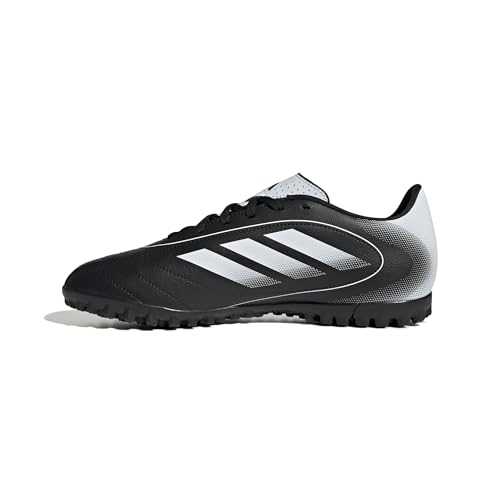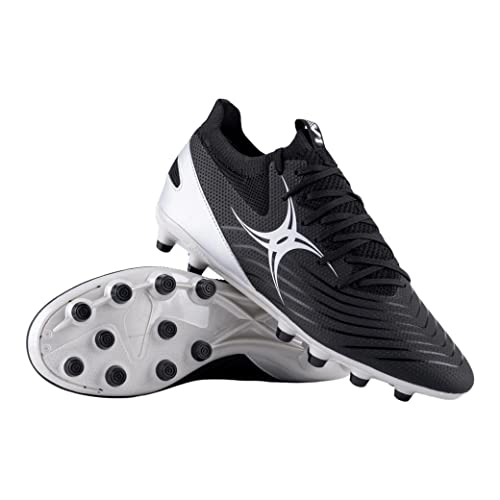
Choosing the right men's rugby shoes is a matter of balancing stability, traction, and durability. Whether you are a front-row forward needing maximum grip in the mud or a winger requiring explosive speed on firm ground, your footwear determines your efficiency on the pitch. Our selection focuses on sole construction, material resilience, and specific stud configurations to ensure you find a pair that matches your position and playing environment.
Updated This Week
10
products
Interactive Comparison
As an Amazon Associate we earn from qualifying purchases.
NARROW FIT: Features a narrow fit through the toe box, making them best suited for customers with regular or narrow feet. If you prefer a roomier feel in the toe area, you may want to size up half a size.
For most players, the balance of durability and grip found in the mid-to-premium range is the smartest investment. Look for brands that specialize in rugby for the best structural support.
Market Overview: men's rugby shoes
AI
The market is currently split between specialized rugby brands and multi-sport athletic giants, with a growing trend toward hybrid soles that adapt to varying weather conditions.
Buying Guide: men's rugby shoes
AI
When selecting rugby boots, focus on the stud type, the rigidity of the sole, and the breathability of the upper material to ensure long-term comfort and performance.
Selection Criteria
Products were selected based on user durability ratings, versatility across different pitch conditions, and the overall value provided relative to the build quality.
Budget Advice
AI
Entry-level boots offer basic protection for casual play, mid-range options provide better support, and premium models feature advanced materials and specialized stud layouts.
Conclusion: men's rugby shoes
AI
Finding the perfect fit is the difference between a great game and a painful injury. We have analyzed the best options available to help you decide. Explore our full list to find the pair that suits your style of play.
Frequently Asked Questions
AI
Soft ground boots typically feature longer, often metal studs to penetrate deep mud and provide grip, while firm ground boots have shorter, molded studs designed for harder, drier surfaces.
It depends on your position. Backs usually benefit from lightweight materials for speed, while forwards require reinforced uppers and sturdier soles to withstand the pressure of scrums and rucks.
Replacement depends on usage, but you should look for signs of wear in the stud grip or tears in the upper material. For regular players, an annual update is common to maintain safety and performance.
We use Google Analytics to measure site usage. In the EEA, UK and Switzerland, analytics cookies require your consent; without consent, only cookieless signals are sent. Elsewhere, measurement is enabled by default and you can decline. Declining does not limit access to the site.
Learn more